Aim is to be the Leading Provider of Professional Services to the Oil and Gas Sector
Tel / WeChat: +964 7714871414 / +964 7772337592Industrial pumps are among the most important assets in manufacturing plants, chemical facilities, water treatment systems, and industrial processing operations. When a pump fails, the consequences often extend beyond repair costs. Production interruptions, safety risks, product losses, and unexpected downtime can quickly become expensive problems.
Despite advances in pump design and materials, most pump failures can still be traced back to a relatively small number of root causes. Understanding these common issues allows maintenance teams and plant operators to identify warning signs early and take corrective action before significant damage occurs.
This guide examines the ten most common pump failures found in industrial environments and provides practical strategies to prevent them.
Cavitation is one of the most destructive conditions that can affect a pump. It occurs when the pressure at the pump inlet drops below the liquid's vapor pressure, causing vapor bubbles to form. As these bubbles move into higher-pressure areas, they collapse violently against internal components.
The repeated implosion of vapor bubbles can damage impellers, casings, and seals.
Maintain adequate net positive suction head available (NPSHa), minimize suction line restrictions, and ensure the pump operates within its recommended performance range. Regularly inspect strainers and suction piping for blockages.
Mechanical seals are critical for preventing fluid leakage. Seal failures are among the most frequent maintenance issues encountered in industrial pumping systems.
Seal damage may result from dry running, improper installation, contamination, excessive vibration, or incompatible materials.
Always verify seal compatibility with the pumped fluid. Ensure proper lubrication during startup and monitor shaft alignment regularly. Routine inspections can identify early wear before catastrophic failure occurs.
Bearings support rotating components and ensure smooth operation. When bearings deteriorate, the entire pump can become unstable.
Common causes include inadequate lubrication, contamination, excessive loads, and misalignment.
Implement a scheduled lubrication program and monitor bearing temperatures. Predictive maintenance tools such as vibration analysis can detect problems before serious damage occurs.
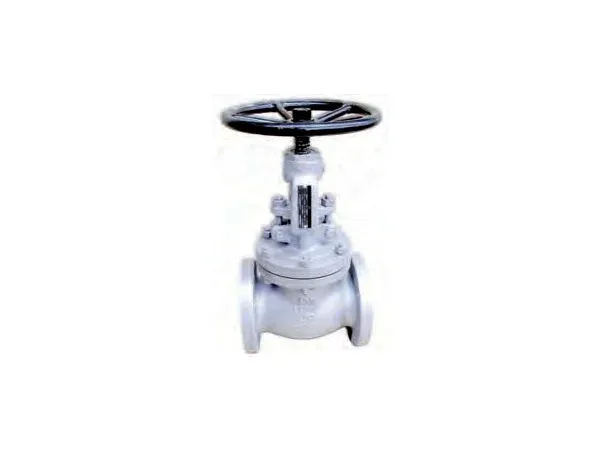
The impeller is responsible for transferring energy to the fluid. Damage to this component directly affects pump performance.
Corrosion, erosion, cavitation, and foreign object impacts are the primary causes of impeller deterioration.
Use appropriate materials for the application and install filtration systems when solids may be present. Regular inspections help identify wear before efficiency declines significantly.
Excessive heat can shorten the lifespan of seals, bearings, and other internal components.
Overheating often occurs when pumps operate at low flow conditions, experience restricted discharge lines, or run dry.
Ensure proper cooling and maintain adequate flow through the system. Operators should monitor temperature trends and investigate abnormal increases immediately.
While some vibration is normal, excessive vibration indicates underlying mechanical or hydraulic issues.
Possible causes include imbalance, misalignment, cavitation, loose foundations, or worn bearings.
Perform regular vibration monitoring and alignment checks. Secure mounting structures and ensure operating conditions remain within design parameters.
The pump itself may be functioning correctly while the driving motor experiences problems.
Electrical faults, overheating, voltage fluctuations, and overload conditions can all contribute to motor failure.
Maintain proper electrical protection systems and monitor motor temperatures. Regular inspections of wiring and electrical connections can prevent unexpected breakdowns.
Even a properly selected pump cannot perform efficiently if the connected piping system becomes obstructed.
Sediment buildup, debris accumulation, scaling, and process contamination frequently contribute to blockages.
Install strainers where appropriate and establish routine cleaning schedules. System monitoring can reveal gradual performance changes that indicate developing restrictions.
Chemical compatibility remains one of the most important considerations in pump selection. Exposure to aggressive fluids can gradually weaken metal components, seals, and internal surfaces.
Industries handling acids, alkalis, or oxidizing chemicals are particularly vulnerable.
Select materials specifically designed for the chemical environment. For example, many facilities handling aggressive chemicals choose a chemical diaphragm pump with corrosion-resistant wetted components to improve long-term reliability.
Regular inspections help identify corrosion before it compromises safety or performance.
Pumps are generally designed to operate with liquid present inside the pumping chamber. Running without fluid eliminates lubrication and cooling effects, causing rapid damage.
Even a short period of dry operation can destroy seals and overheat critical components.
Install level sensors, dry-run protection devices, and automatic shutdown systems. Operators should verify proper priming before startup.
The most successful industrial facilities do not wait for failures to occur. Instead, they establish preventive and predictive maintenance programs designed to identify potential problems before equipment performance deteriorates.
An effective maintenance strategy typically includes:
Modern monitoring technologies can continuously collect operational data, allowing maintenance teams to identify abnormalities early and schedule repairs during planned shutdown periods.
Many pump failures begin as minor issues. A small increase in vibration or a slight reduction in flow may seem insignificant initially. However, these symptoms often indicate larger developing problems.
Ignoring early warning signs can result in:
The financial impact of an unexpected pump failure often exceeds the cost of preventive maintenance many times over.
Industrial pumps operate in demanding environments where reliability is essential for maintaining productivity and profitability. Although pump failures can occur for many reasons, the majority are preventable through proper equipment selection, routine maintenance, and continuous monitoring.
Understanding common issues such as cavitation, seal failure, bearing wear, corrosion, and dry running enables operators to take proactive measures before serious damage occurs. By implementing a structured maintenance program and responding quickly to warning signs, facilities can significantly extend equipment life and reduce operational costs.
Manufacturers such as continue to develop advanced pumping solutions designed for durability, efficiency, and long-term reliability, helping industrial operators maintain stable performance even under challenging operating conditions.
How to Choose the Right Industrial Pump for Your Application
No information
Address: Ur district, Alley 325, Street 25, Building No. 152, Floor No.2, Abraj office#11, Baghdad, Iraq
E-mail: info@abraj-nl.com
Phone: +964 7714871414